
Rethinking the Modern Cabin in the Sea to Sky
By Carmyn Marcano | Images by Joern Rohde
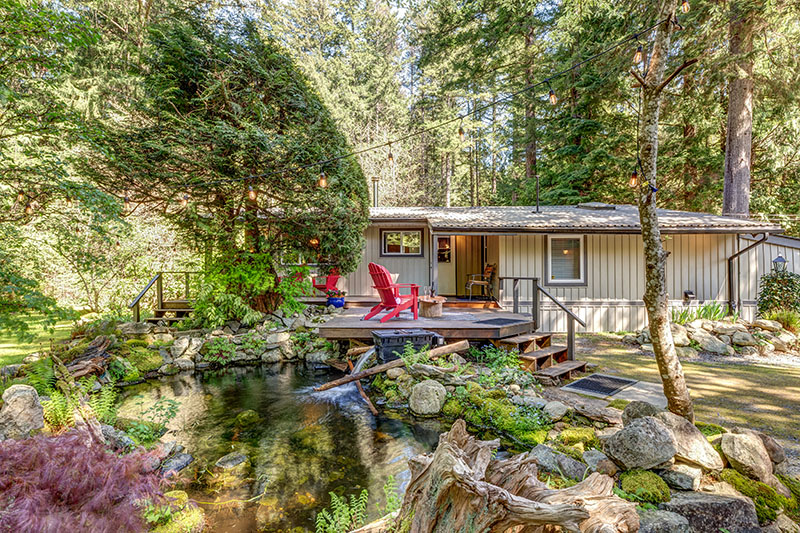
There’s a certain kind of memory many of us carry. Weekends packed into the car — a cooler in the trunk. Gravel roads, no cell service, and the quiet excitement of heading somewhere that felt, in some small but meaningful way, like it belonged to your family.
For many who grew up in the 1970s, ’80s, and ’90s, the cabin wasn’t a luxury. It was simply part of life — not extravagant, not always polished, but deeply rooted in experience. A place where summers stretched longer, families grew closer, friendships deepened, and life slowed down just enough to notice it.
Today, that picture has shifted. Across the Sea to Sky Corridor, properties in these same natural settings — along rivers, tucked into the forest, within reach of the city — have become increasingly scarce and often significantly more expensive. What were once modest recreational holdings have evolved into high-value real estate assets.
And with that evolution, something else is happening. Many long-held, family-owned cabins are now changing hands, not because they’ve lost their meaning, but because they’ve become more complex to maintain. Ongoing costs, shared ownership between generations, and rising land values can make it difficult for families to hold onto these properties over time.
It raises a simple question: What happened to the idea of having a place to return to year after year?
A Different Way
In recent years, there’s been a renewed interest in alternative approaches to recreational property ownership, not as a replacement for traditional ownership, but as an alternate way to access the same lifestyle.
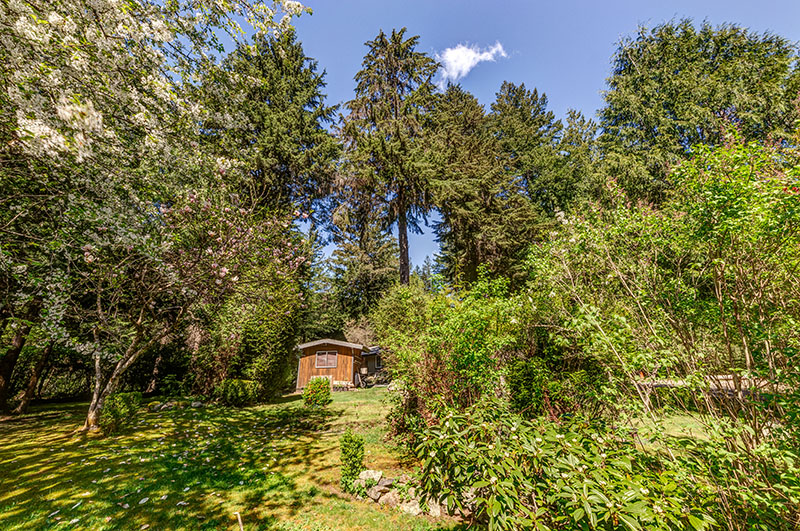
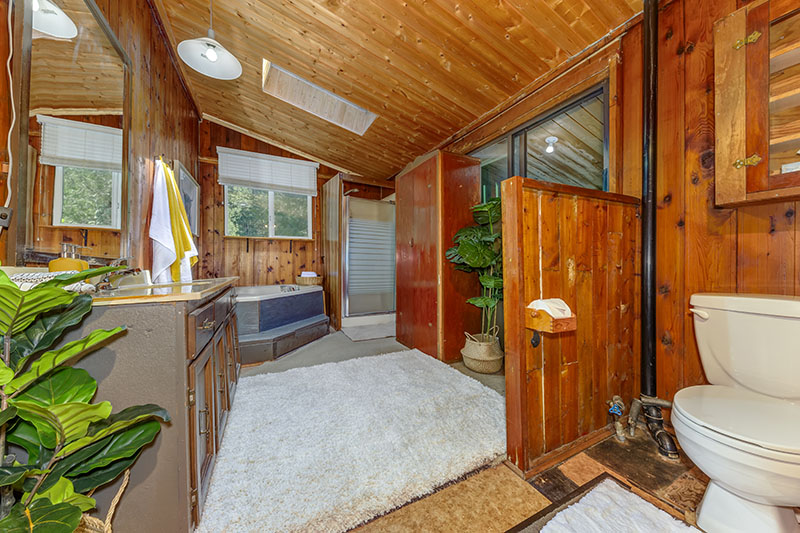
One of those models is leasehold property. While leasehold ownership is perhaps less familiar than freehold ownership, it has long existed in certain recreational and resort communities. At its core, it allows you to enjoy and use the property, often in desirable natural settings, without owning the land itself.
For some, this structure can create an opportunity to prioritize experience over permanence. It shifts the focus from long-term land ownership to present-day use, time spent outdoors, and connection to place. It’s a different lens, but one that resonates with a growing number of buyers.
Shared Ownership and Shared Experiences
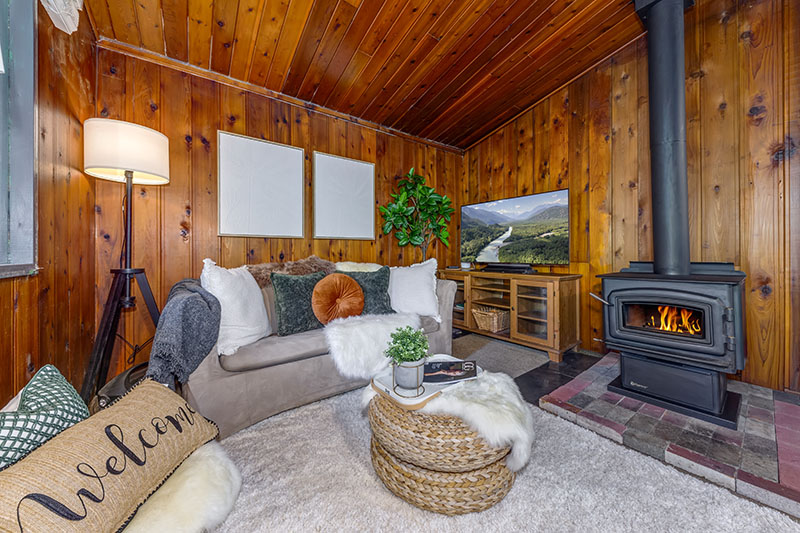
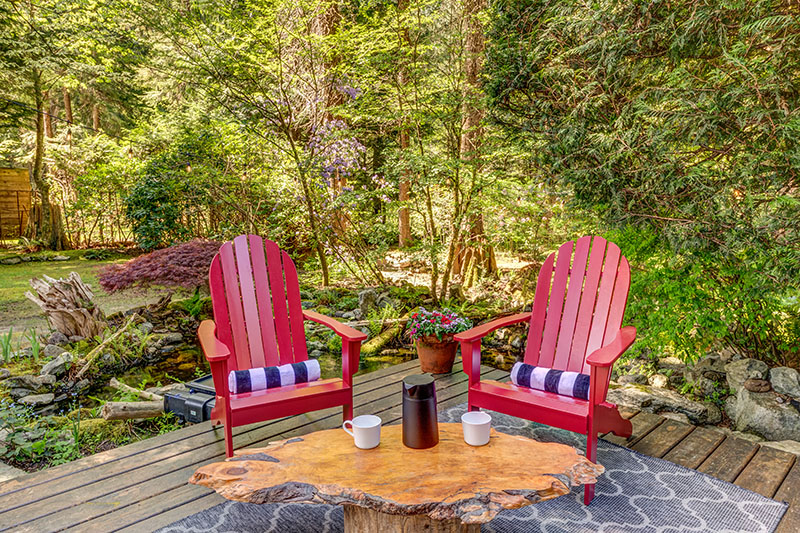
There’s also been a shift in how people think about ownership itself. Rather than one family carrying the full responsibility of a second property, some are exploring shared ownership models. Small, intentional groups, whether extended family or close friends, come together to co-own and co-manage a recreational space. When structured thoughtfully, shared ownership can reflect how these properties are used. Weekends rotate and seasons are shared. Costs and responsibilities are distributed more evenly. And perhaps most importantly, the experience becomes more communal. There’s a familiarity in that rhythm.
Shared meals and kids moving freely between spaces. A sense that the property is not just a private retreat, but a place where relationships deepen over time.
It’s Closer Than You Think
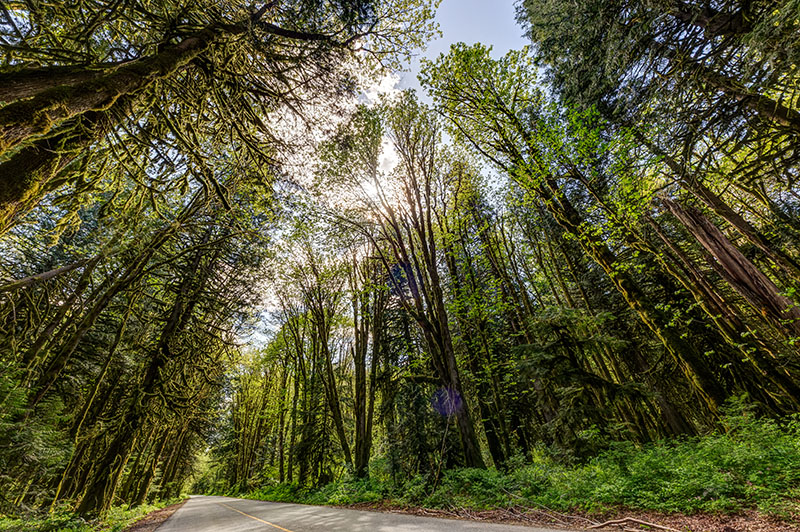
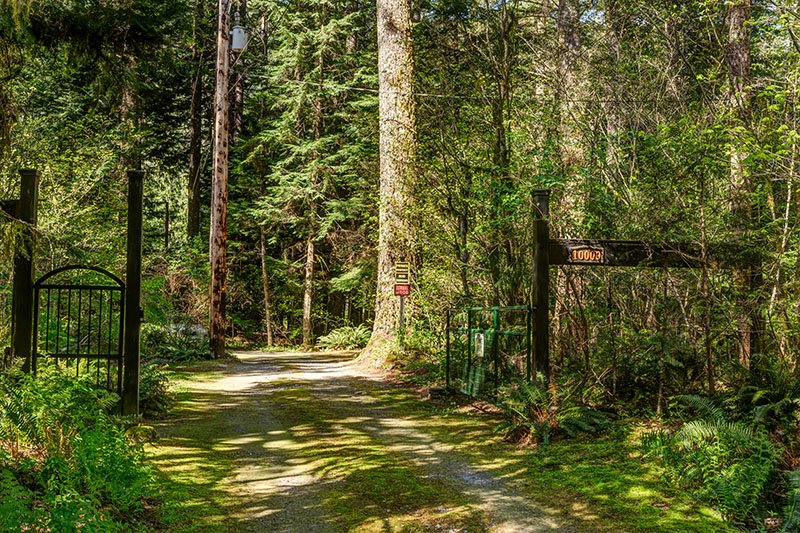
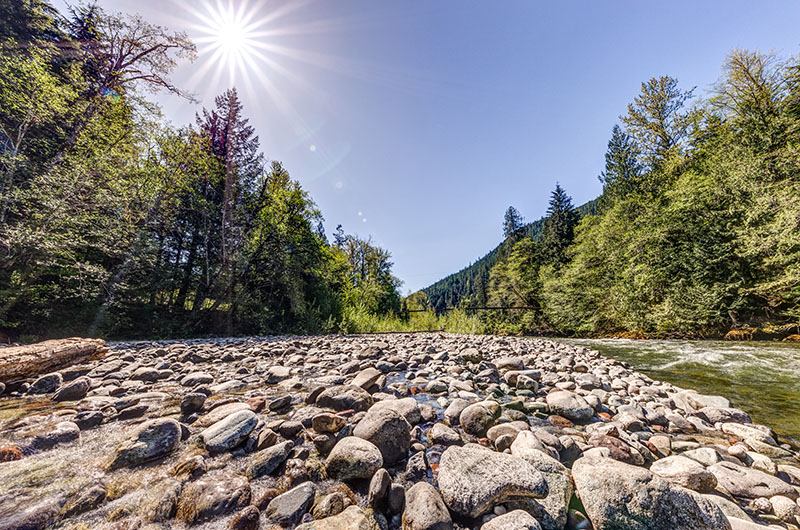
Proximity can also play a meaningful role. Areas just outside of Squamish and along the Sea to Sky Corridor offer a unique balance: removed enough from the city to feel like a true escape, yet close enough to make both regular and spontaneous visits possible. And that accessibility matters. Because a retreat only works if it becomes part of real life — not something reserved for a few long weekends each year, but a place that you can visit again and again.
In a world where travel can feel increasingly complex, having somewhere nearby, familiar, and grounded in nature has taken on new significance — not as an indulgence, but as a form of reset — to foster work-life balance and support physical and mental health and well-being.
A Quiet Shift
Perhaps none of this will replace the traditional path of owning a freehold property. For many, that will always be the goal. But it does expand the conversation and opens the door to different ways of thinking about ownership, access, and lifestyle. Those ways may feel more aligned with how many people live today, and how they want to spend their time. Because at the heart of it, the desire hasn’t changed. We still want a place to go. A place to gather. A place to return to.
To see the accompanying video story, visit youtube.com/watch?v=3AY45RcNmwc
If you’re curious about shared ownership in today’s market, reach out to find out more. carmynmarcano.com